Successfully growing beans requires attention to soil warmth, consistent moisture, and proper spacing to avoid diseases. Beans are a warm-season crop, best suited for full sun and well-draining soil, thriving in temperatures between 65°F and 80°F (18°C–27°C).
Key Growing Conditions & Requirements:
- Soil Requirements: Beans prefer loose, well-drained soil with a pH between 6.0 and 7.0. They do not tolerate waterlogging.
- Temperature & Timing: Direct sow seeds only after the last spring frost when soil temperatures are at least 55°F–60°F (12°C–15°C) to prevent rotting.
- Sunlight: Full sun is required (6–8 hours daily).
- Watering: Keep soil consistently moist, aiming for about 1–2 inches of water per week, especially during flowering and pod development. Water at the base of the plant to avoid foliage diseases.
- Fertilization: Beans are nitrogen-fixing (via Rhizobium bacteria), so they typically do not need high-nitrogen fertilizers, which can result in lush foliage but low pod yield. If needed, use a low-nitrogen, high-phosphorus/potassium formula (e.g., 5-10-10) during flowering.
Spacing & Planting:
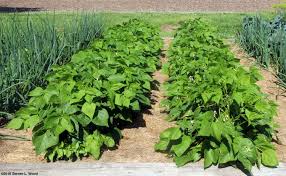
- Bush Beans: Plant 1 inch deep, 2–3 inches apart, in rows 18–24 inches apart.
- Pole Beans: Plant 1 inch deep, 3–4 inches apart, near supports (trellises or poles).
Management and Tips for High Yields:
- Support: Install trellises or poles for pole beans before planting to avoid damaging roots later.
- Mulching: Apply organic mulch to retain soil moisture, keep roots cool, and control weeds.
- Harvesting: Frequently pick snap beans (every 2–3 days) to encourage the plant to produce more. Harvest when pods are firm and young.
- Crop Rotation: Do not plant beans in the same spot consecutively to avoid the buildup of soil-borne diseases such as root rot.
- Weed Management: Weed carefully but diligently, as beans have shallow roots.