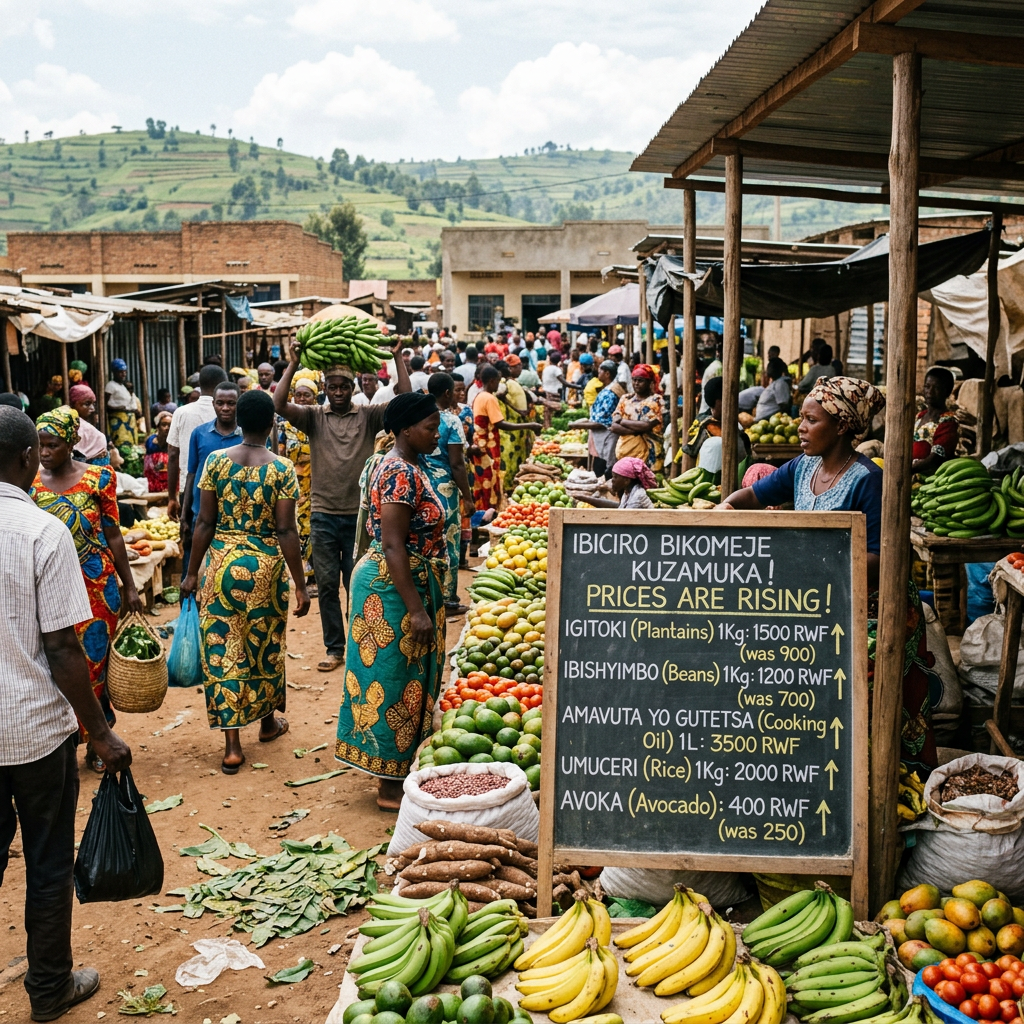
Rwanda experienced a rise in inflation in January 2026, with the Consumer Price Index (CPI) increasing by 8.9% year-on-year, above the central bank’s normal range of 2–8%.
According to the National Institute of Statistics of Rwanda, food and non-alcoholic beverages rose by 6.3% annually, while health-related costs recorded a sharp increase of 71.1%.
Housing, electricity, water, and fuel costs also went up by 10.5%, while restaurant and hotel prices increased by 19.2% over the year. Transport costs rose by 8.6%, and alcoholic beverages, tobacco, and related products increased by 15.6%.
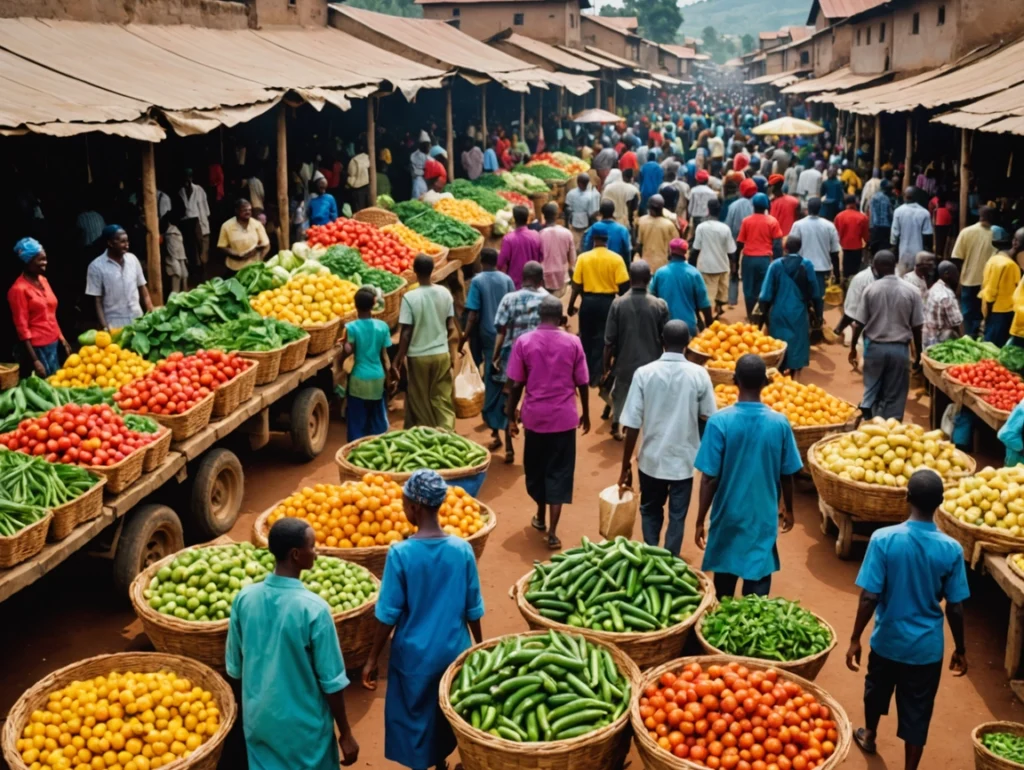
Imported goods recorded a higher rise of 9.6%, compared to locally produced goods at 8.7%. Fresh agricultural products increased by 6.4% annually, influenced by seasonal and supply chain changes.
Overall, the report shows continued pressure on prices across key sectors such as food, health, housing, and transport, signaling ongoing inflationary pressure in the economy.
Experts say continued price increases may affect household purchasing power and require close monitoring by the National Bank of Rwanda to ensure economic stability.