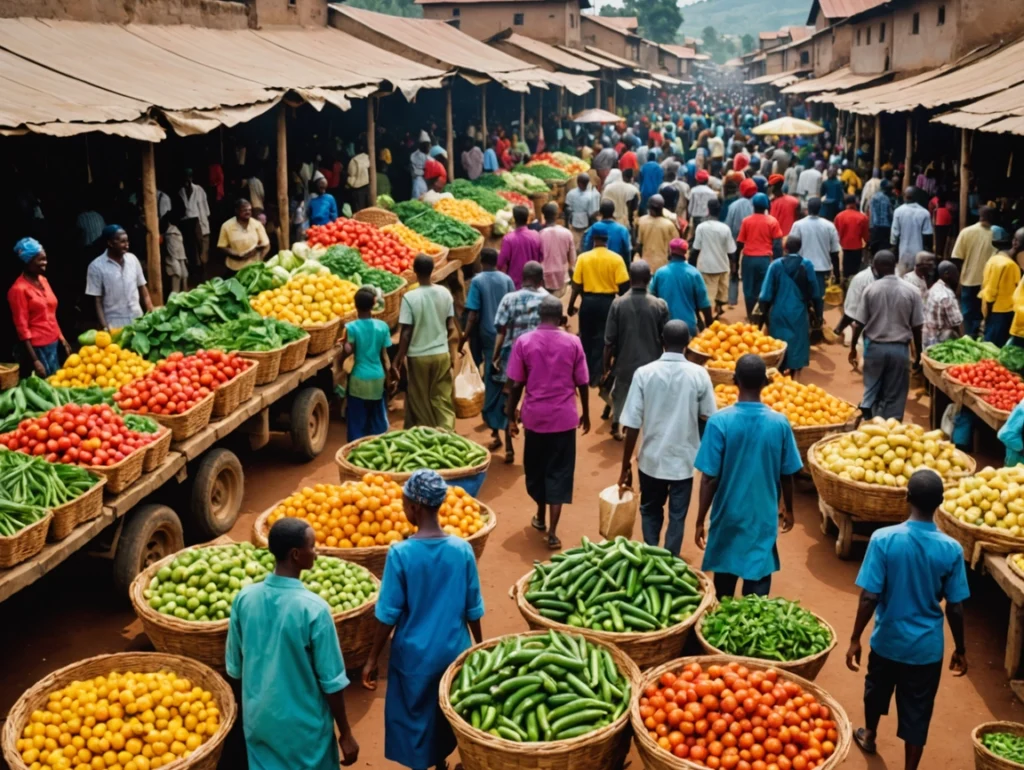
As of mid-2025, Irish potato prices in Rwanda have experienced significant volatility, with retail prices for popular varieties such as Kinigi reaching approximately Rwf 780 to Rwf 900 per kilogram in Kigali markets. This represents a substantial increase from previous years, driven by supply chain shortages and low production.
Here is a breakdown of the potato price landscape based on recent reports:
Recent Market Prices (2025/2026 Context)
- Kigali Markets (Retail): In major hubs like Kimironko and Kabeza, prices are high, often fluctuating between Rwf 750 and Rwf 900+ per kg.
- General Retail Range: The retail price range across Rwanda for potatoes is estimated between RWF 763 and RWF 1,084 per kg in 2026.
- Wholesale Prices: Wholesale prices for a 100kg sack can range from roughly Rwf 33,000 (during higher supply) to much higher, with export prices in 2024–2026 showing a steady upward trend.
- Variety Differences: Kinigi potatoes are consistently reported at the higher end of the price spectrum compared to other local varieties
Factors Driving High Prices
- Seasonal Supply Disruptions: Shortages often occur during Season C (July–September), when farmers are not actively harvesting, causing price spikes.
- High Demand for Premium Varieties: The Kinigi variety is highly preferred, increasing its market price.
- Export to DRC: High demand from Goma and Bukavu in the DRC sometimes drives up prices locally due to higher purchasing power in those markets.
- Climate Change: Increased rainfall followed by drought has affected production volumes, leading to lower yields in key areas like Musanze.
- Increased Production Costs: Rising costs for fertilizers and other farming inputs have forced upward pressure on prices.
Government Intervention
The Rwandan government has actively intervened to stabilize prices by setting maximum farm-gate and retail prices. For instance, in April 2023,, they introduced new pricing that brought down the price of Kinigi potatoes from around Rwf 600 to Rwf 460 per kg at that time, aiming to control inflation. However, as of 2025, prices have again surged above those rates.